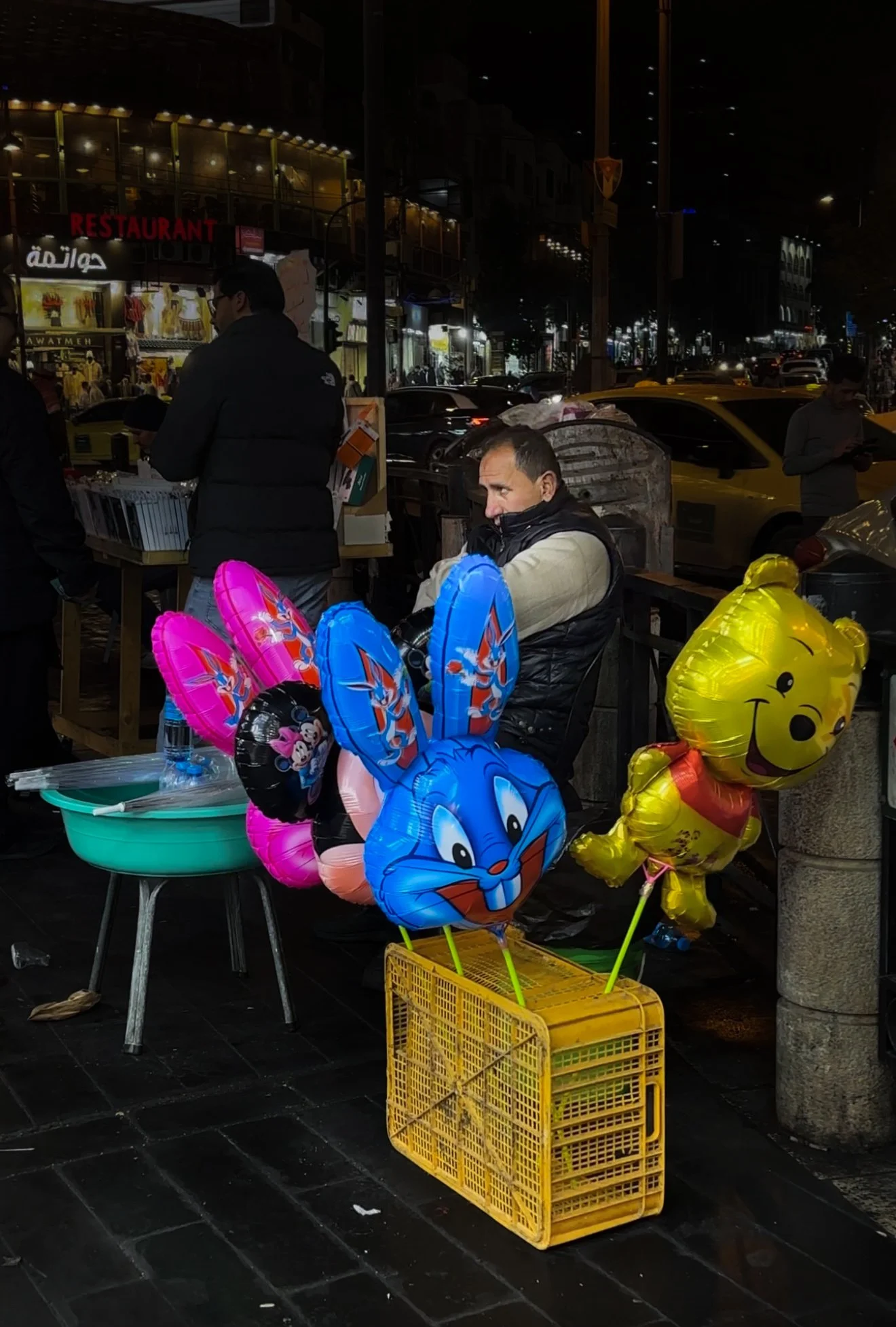
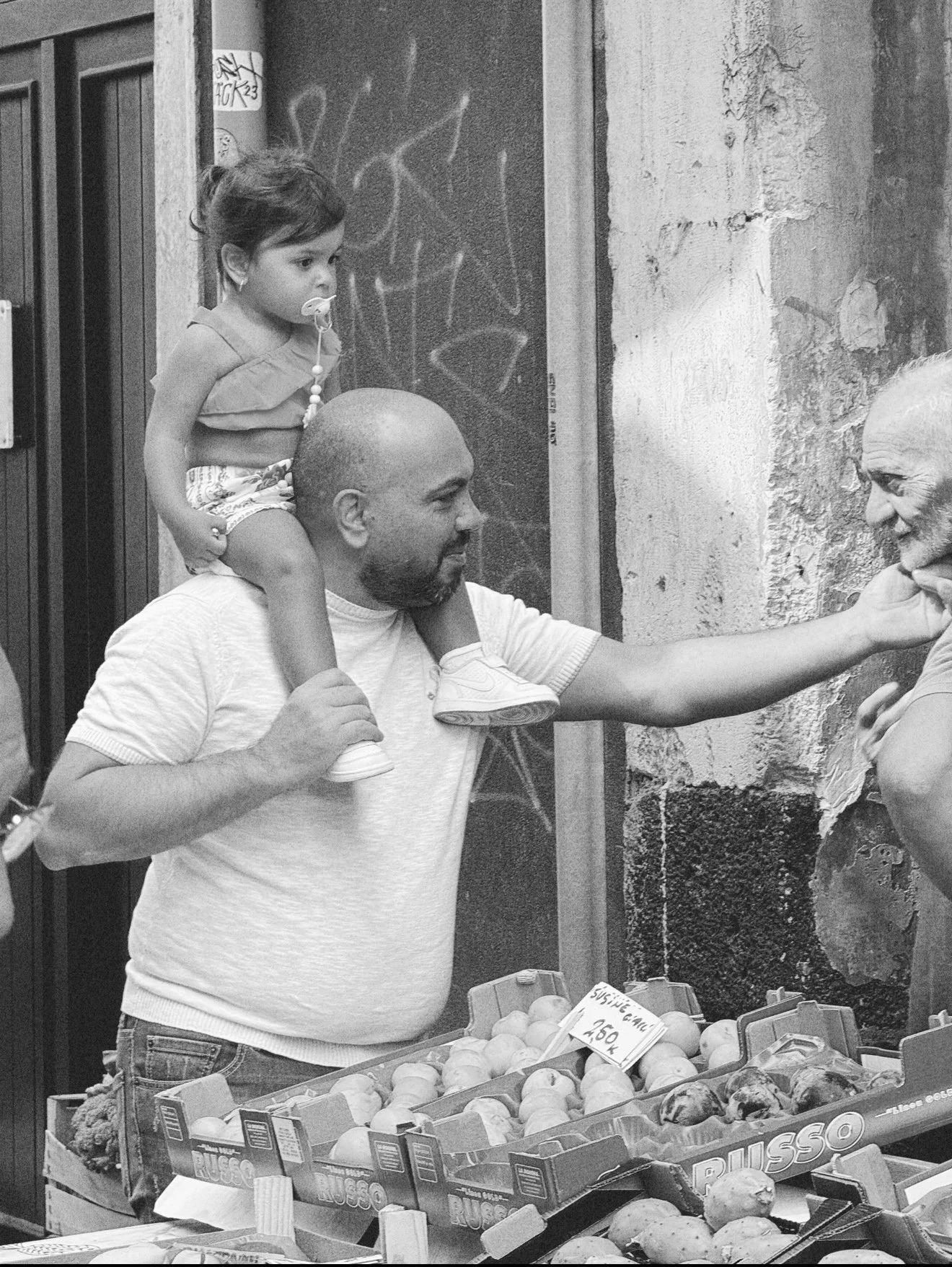
How We Hold Each Other
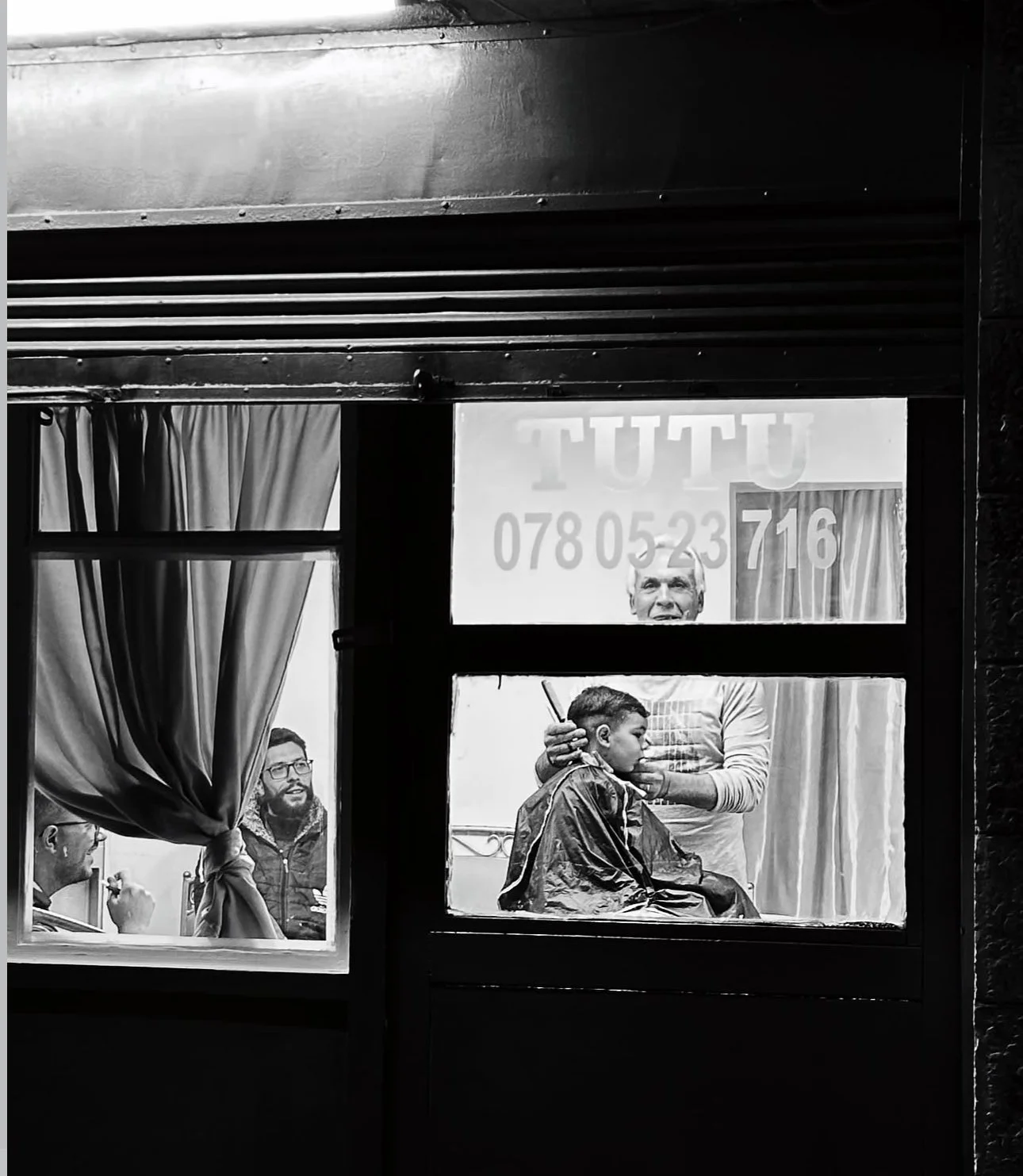
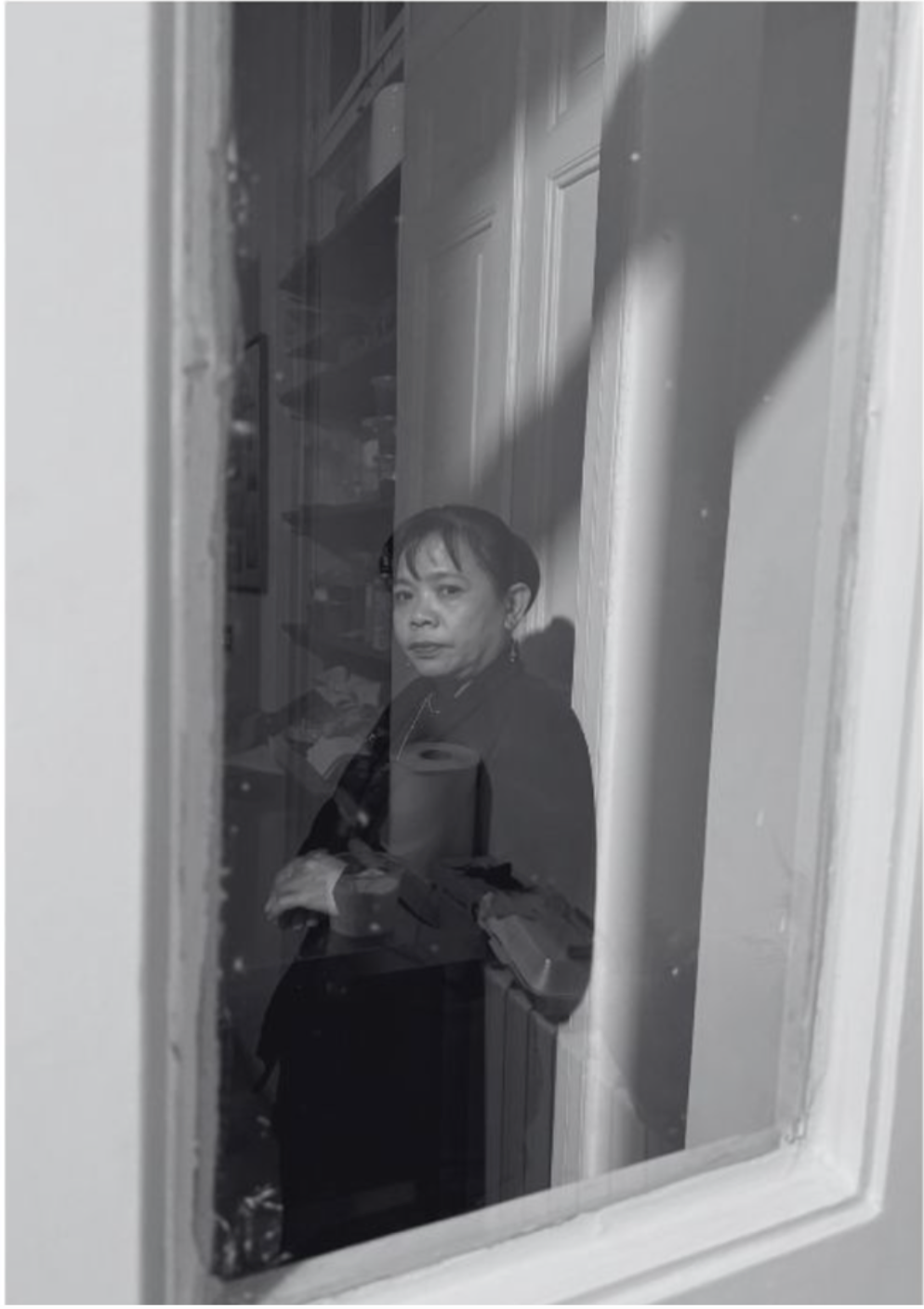
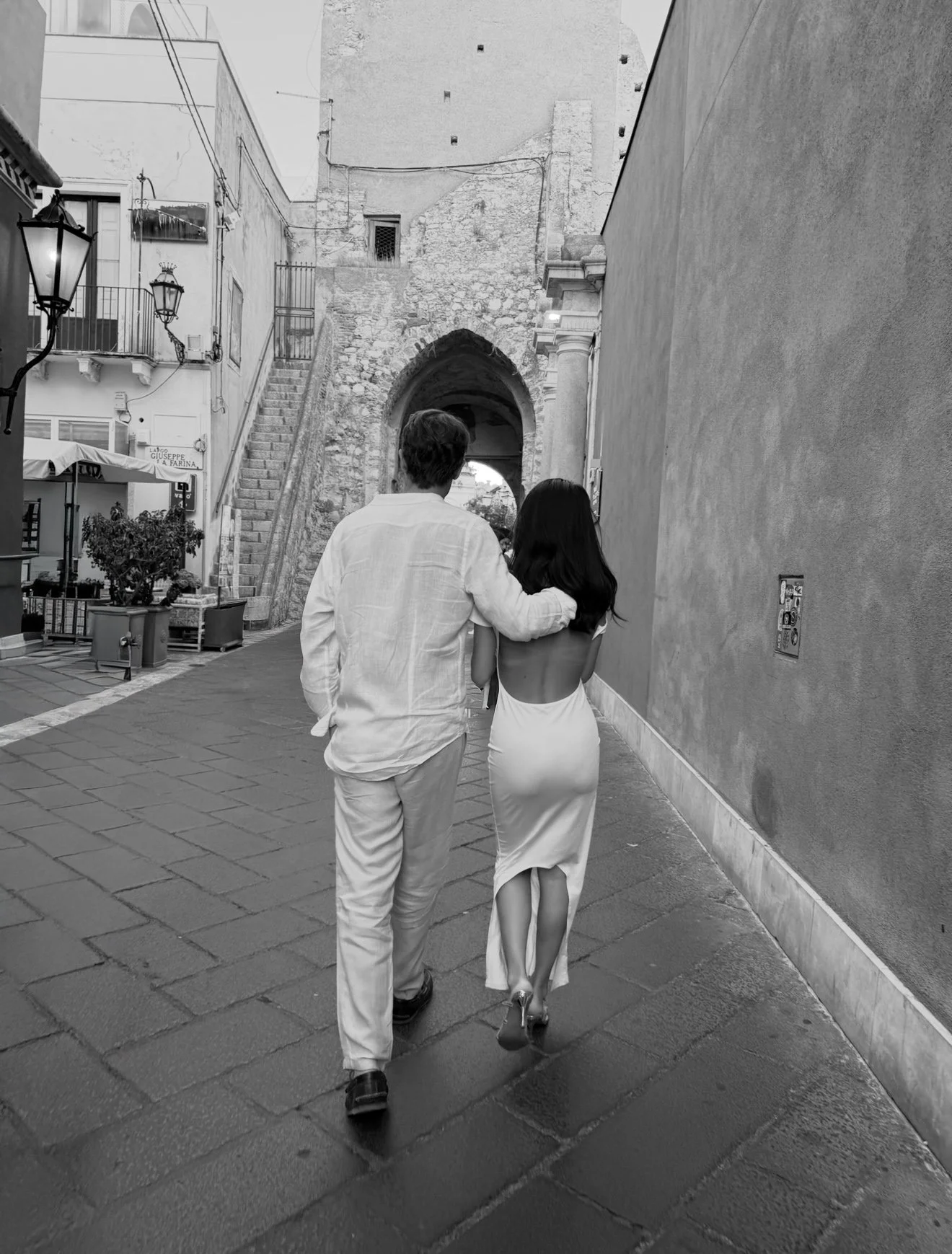
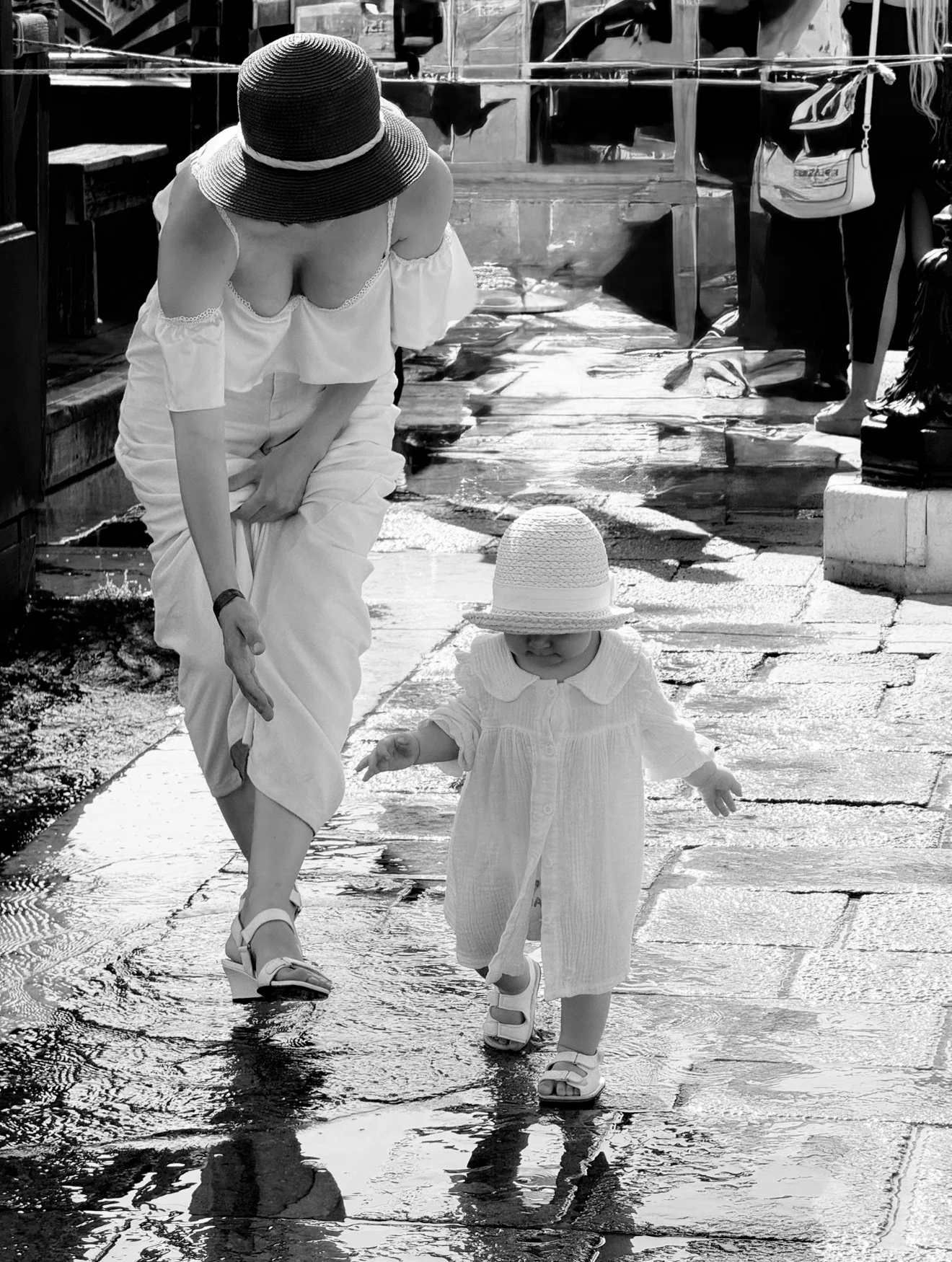
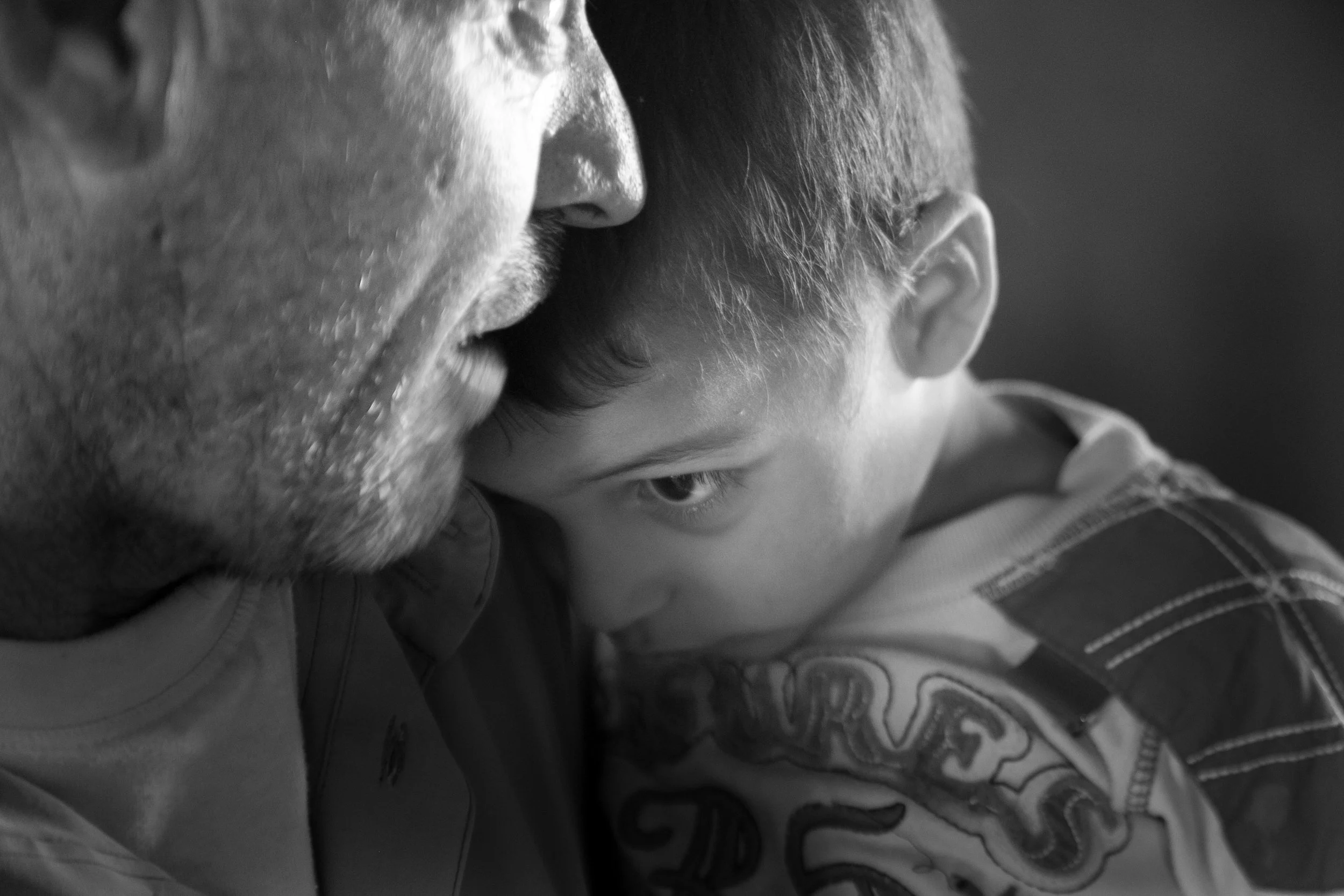
This series documents small gestures of intimacy and care observed in public spaces. Through touch, posture, distance, and routine interaction, the photographs explore how tenderness quietly reveals itself in everyday life. Rather than focusing on dramatic expressions of emotion, the work observes quieter forms of connection — moments that are deeply ordinary.
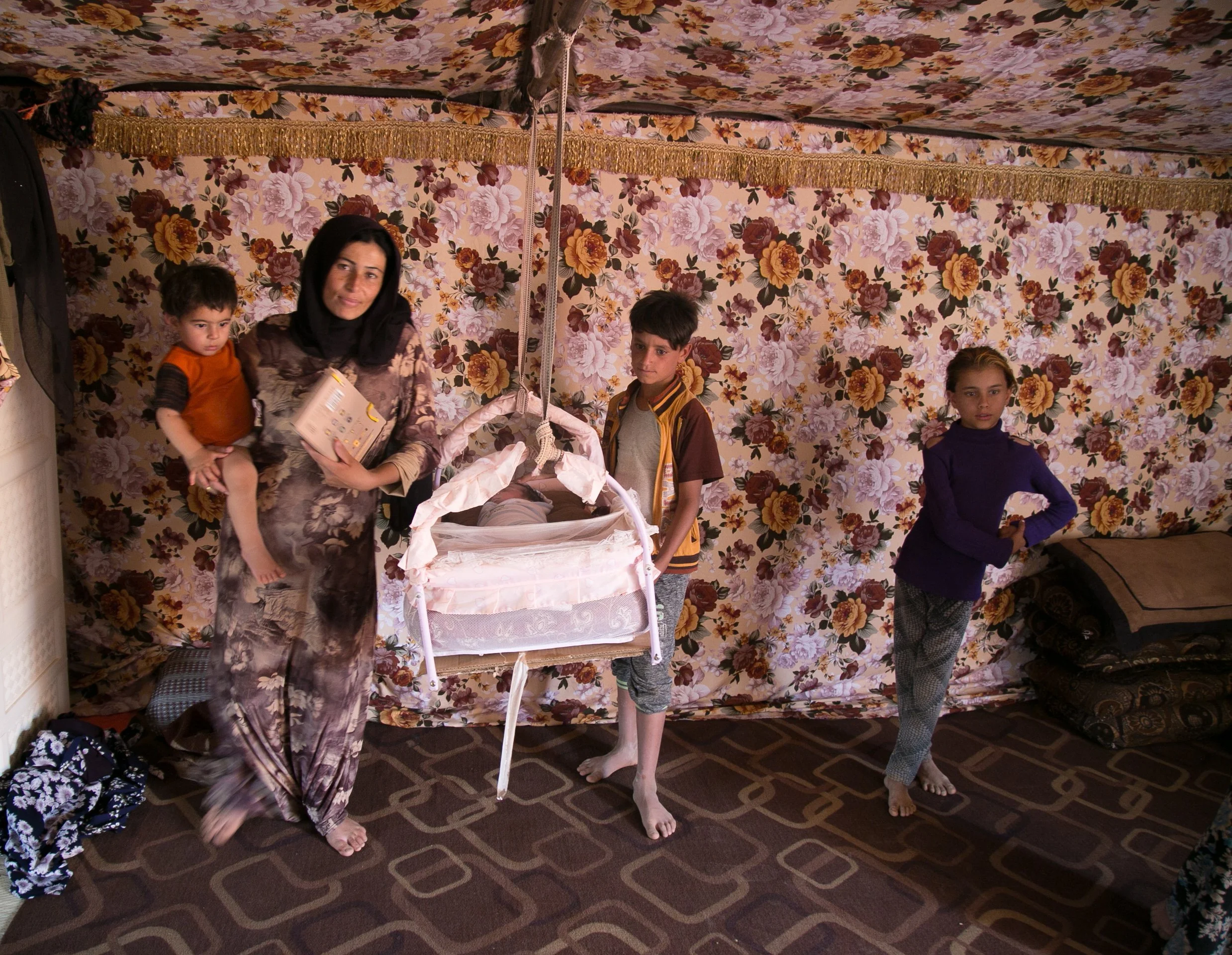
Life Between Tarps and Floral Walls
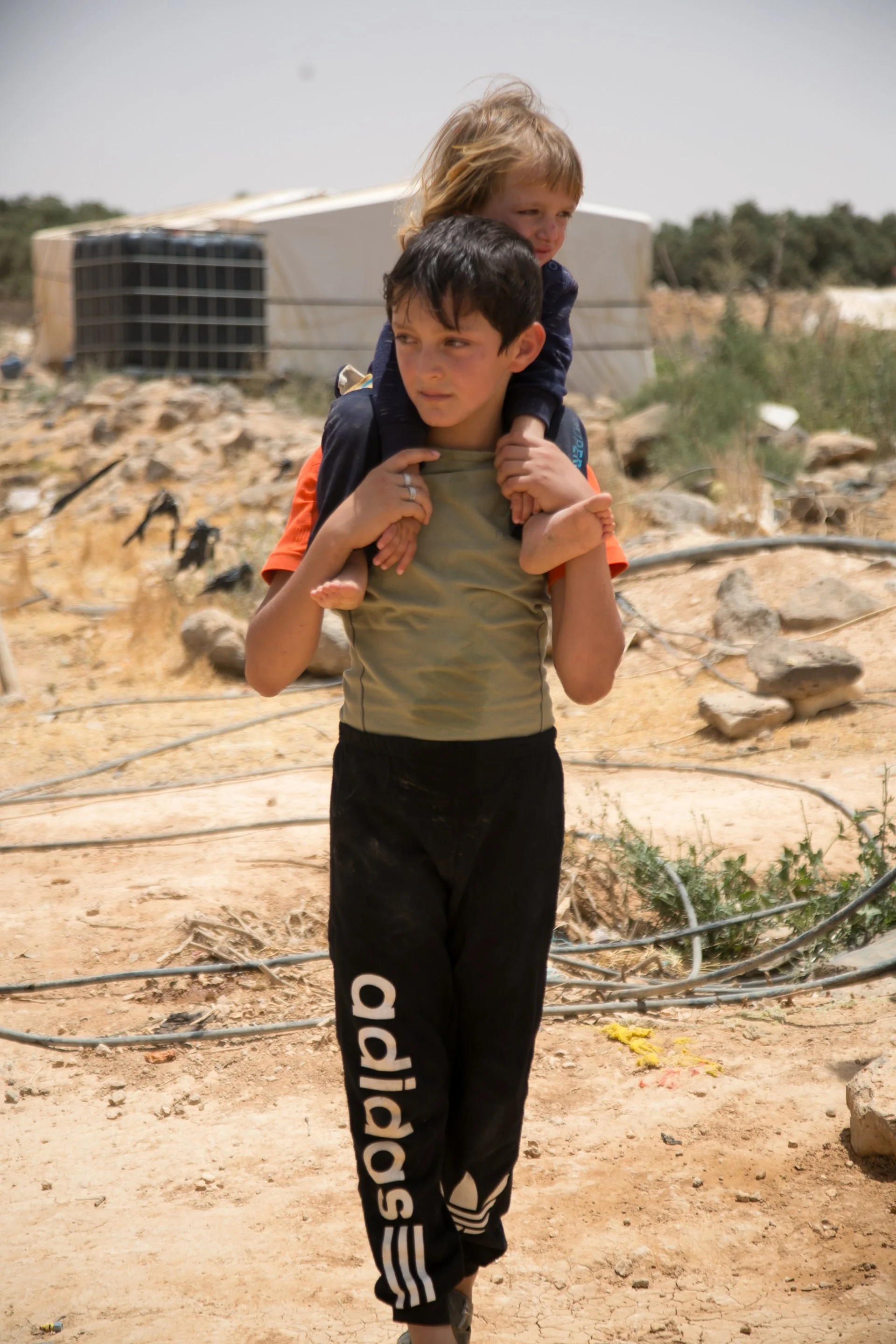
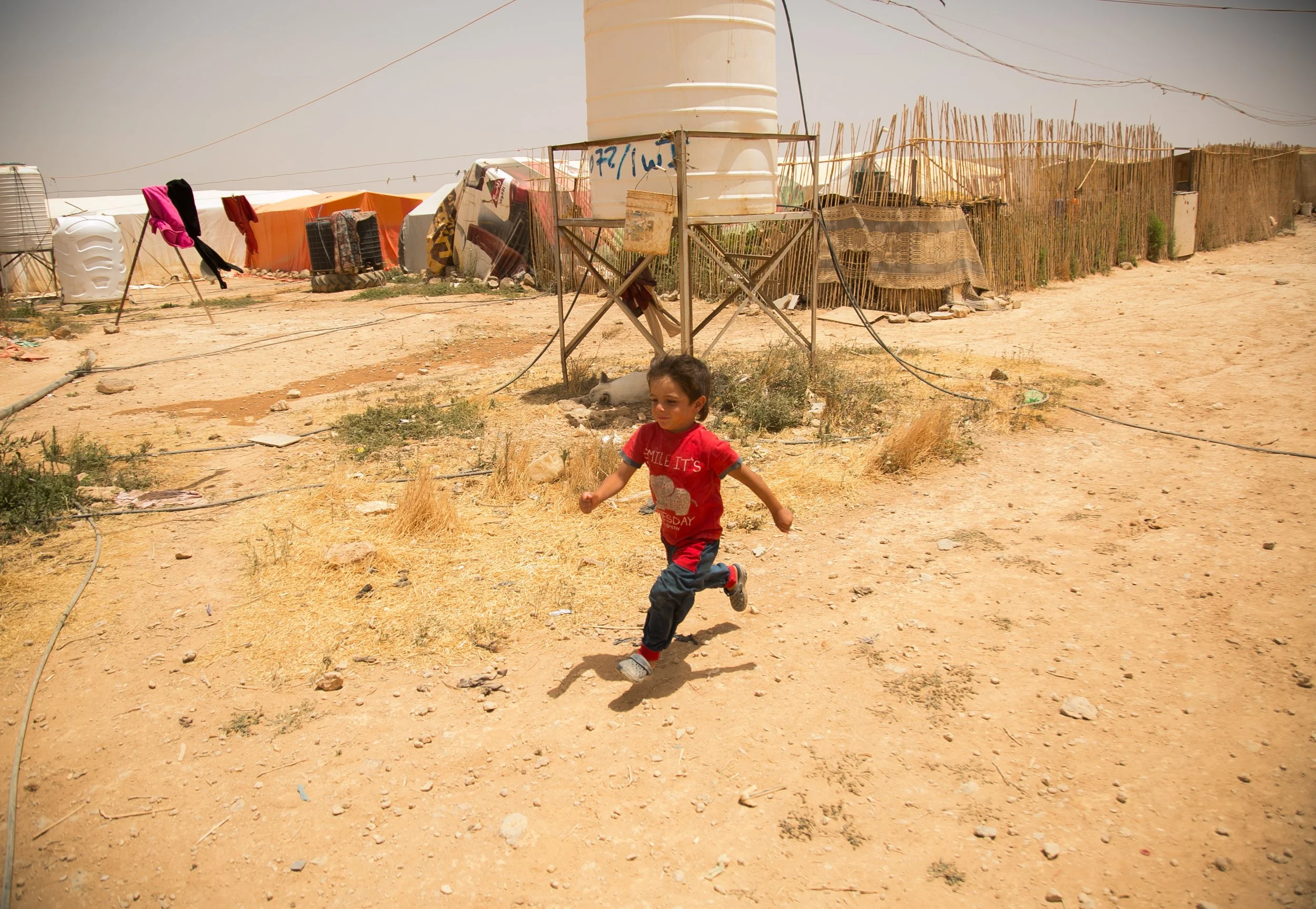
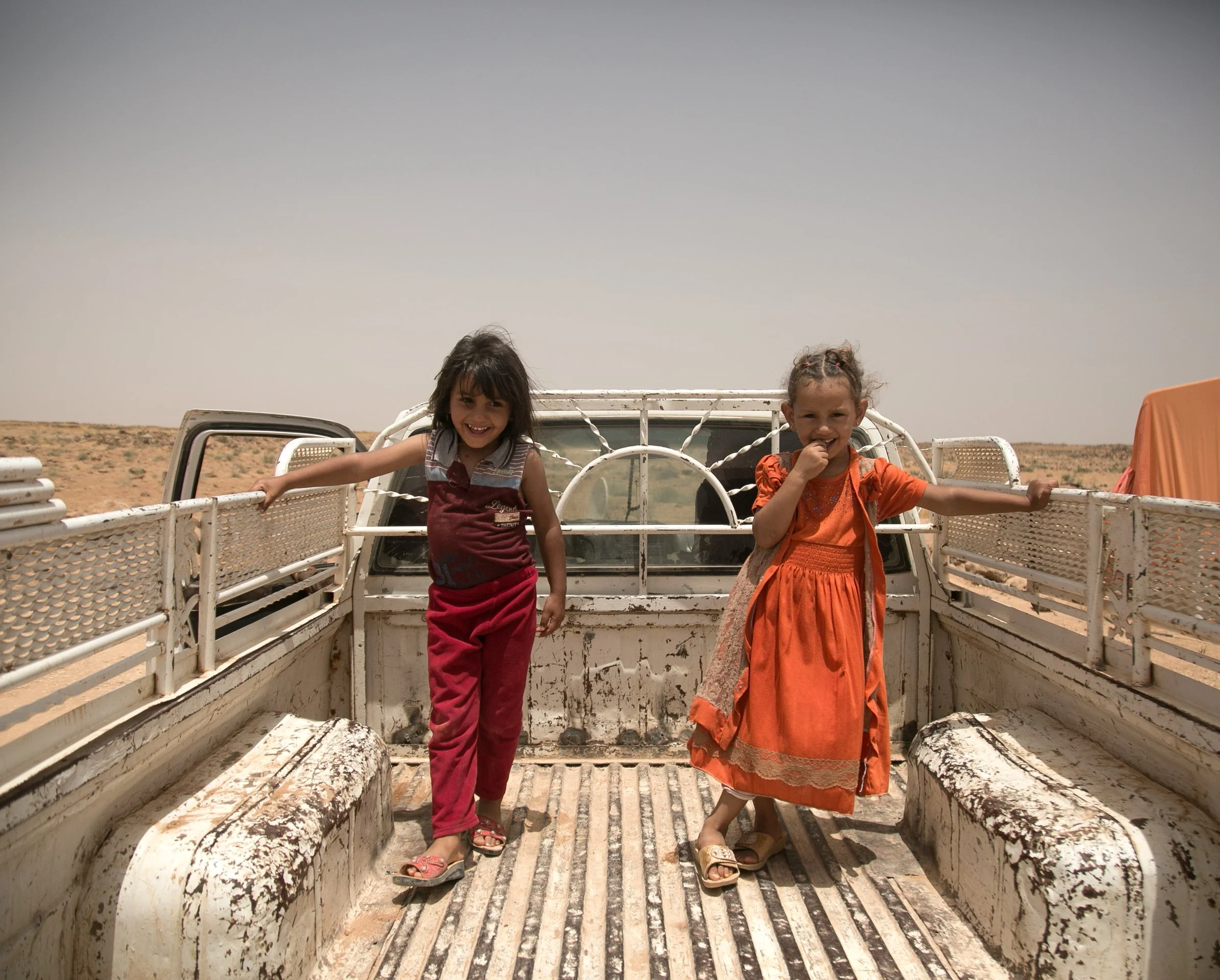
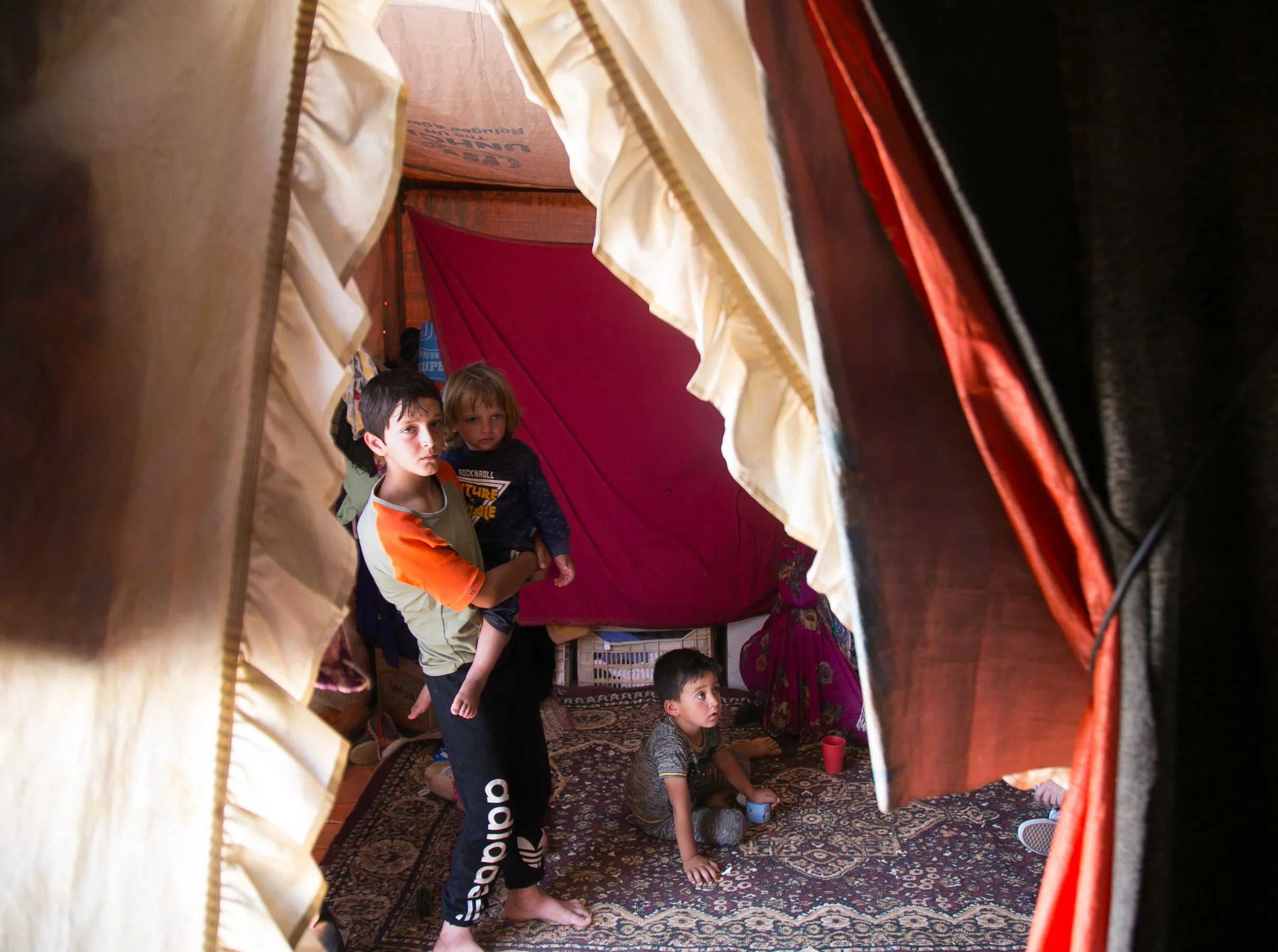
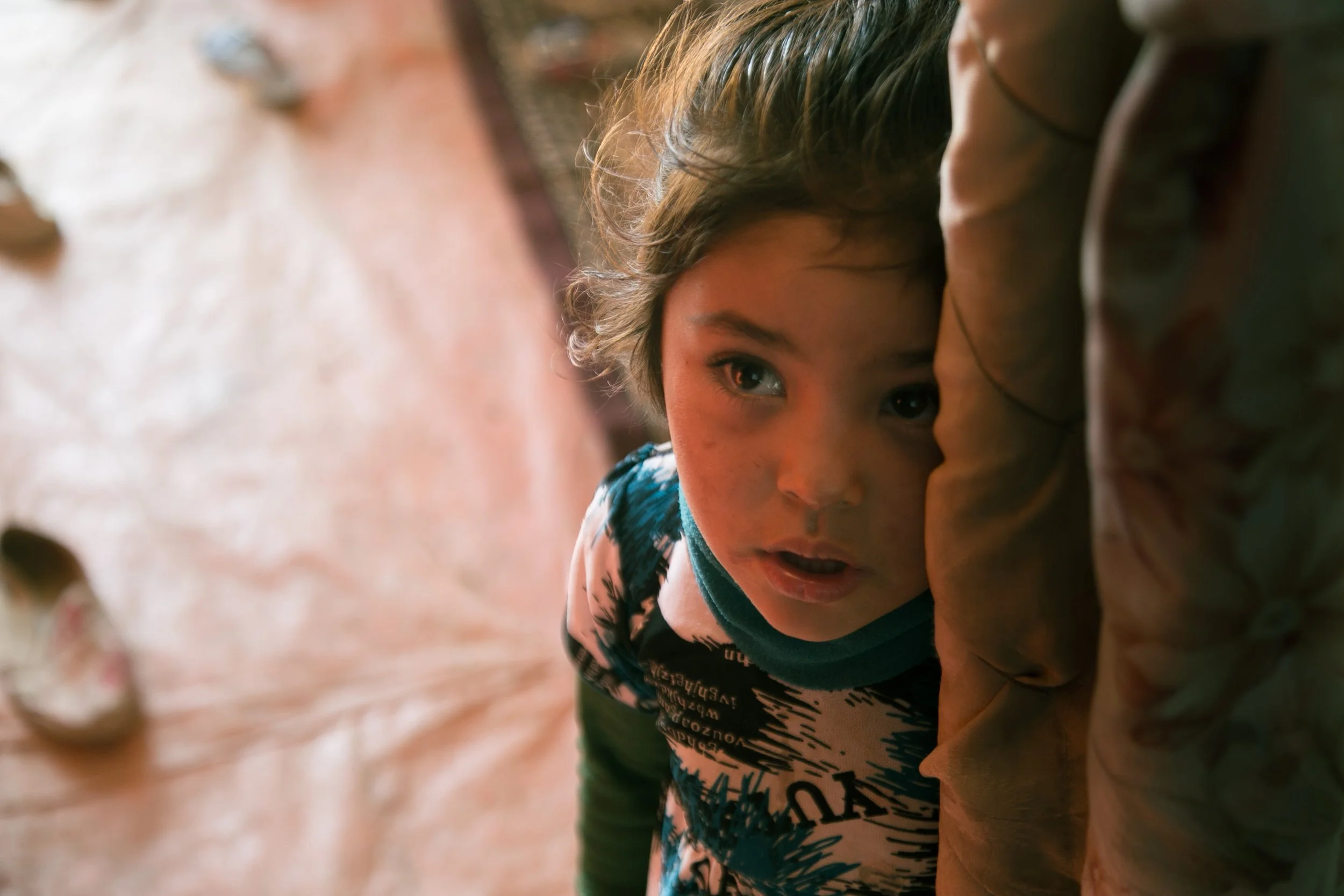
In 2018, I accompanied renowned photojournalist and two-time Pulitzer Prize winner Mohammed Muheisen to a Syrian refugee camp in Jordan during an initiative distributing WakaWaka solar chargers to displaced families. What stayed with me was not only the harshness of the environment, but the intimacy of daily life unfolding within it. Throughout the day, I spent time with children running through dust paths, mothers caring for newborns, siblings carrying one another, and families building warmth and dignity inside temporary shelters.this series documents the emotional and domestic worlds people continue to create despite displacement. I was struck by the visual contrasts that existed everywhere within the camp: floral wallpaper lining tent interiors, richly patterned fabrics hanging from canvas walls, bright purple sweaters, orange dresses, red shirts, embroidered garments, and children dressed in vivid colours against an endless landscape of dust, heat, tarps, and desert. The spaces were temporary, but people still decorated them, cared for them, and filled them with personality and beauty.
These images are not about spectacle, but about the persistence of ordinary life inside extraordinary conditions. The floral prints, saturated colours, gestures of care, and moments of play reveal lives that continue to grow and evolve despite instability.
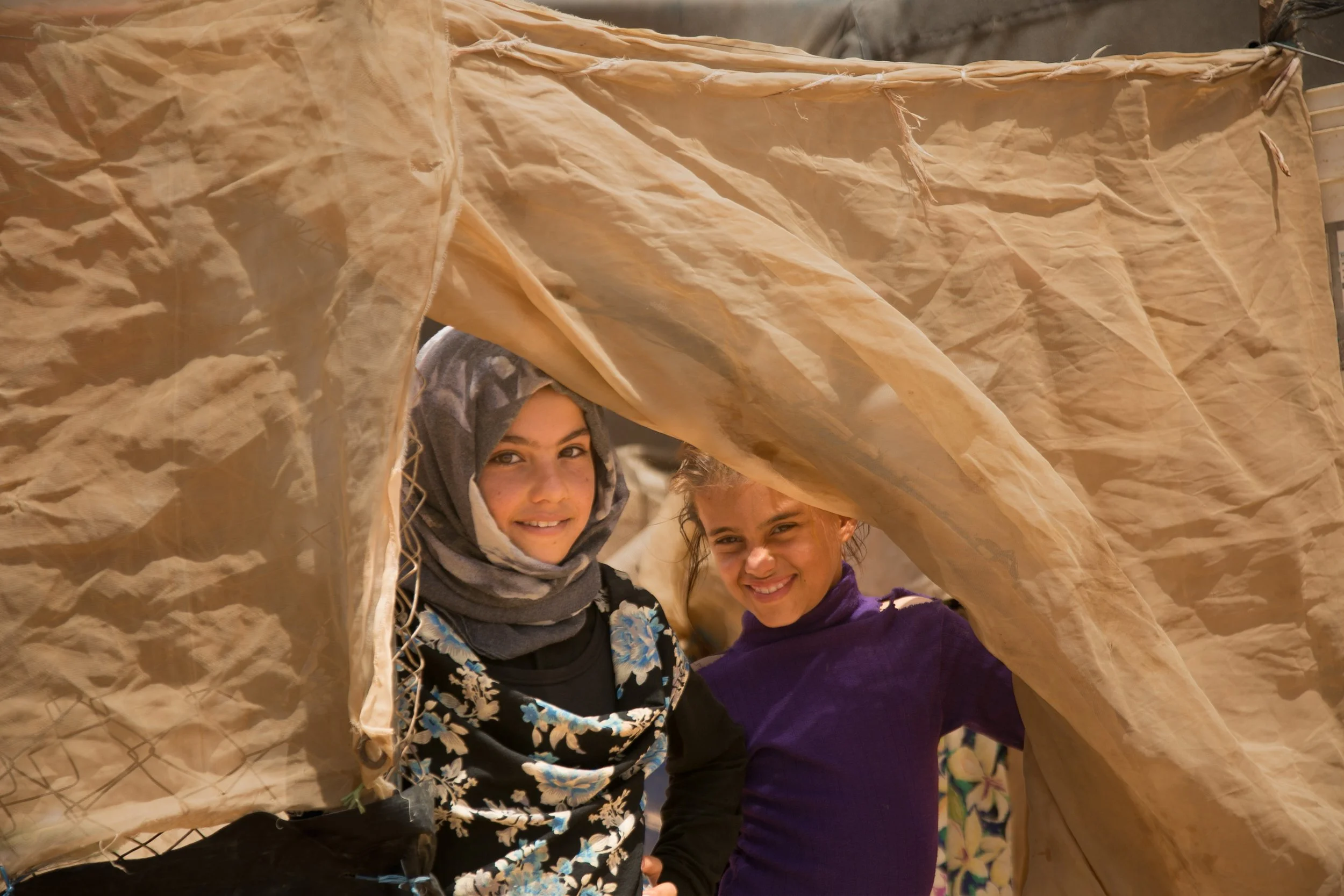
Life Between Tarps and Floral Walls
In 2018, I accompanied renowned photojournalist and two-time Pulitzer Prize winner Mohammed Muheisen to a Syrian refugee camp in Jordan during an initiative distributing WakaWaka solar chargers to displaced families. What stayed with me was not only the harshness of the environment, but the intimacy of daily life unfolding within it. Throughout the day, I spent time with children running through dust paths, mothers caring for newborns, siblings carrying one another, and families building warmth and dignity inside temporary shelters.this series documents the emotional and domestic worlds people continue to create despite displacement. I was struck by the visual contrasts that existed everywhere within the camp: floral wallpaper lining tent interiors, richly patterned fabrics hanging from canvas walls, bright purple sweaters, orange dresses, red shirts, embroidered garments, and children dressed in vivid colours against an endless landscape of dust, heat, tarps, and desert. The spaces were temporary, but people still decorated them, cared for them, and filled them with personality and beauty.
These images are not about spectacle, but about the persistence of ordinary life inside extraordinary conditions. The floral prints, saturated colours, gestures of care, and moments of play reveal lives that continue to grow and evolve despite instability.
Labor as Performance
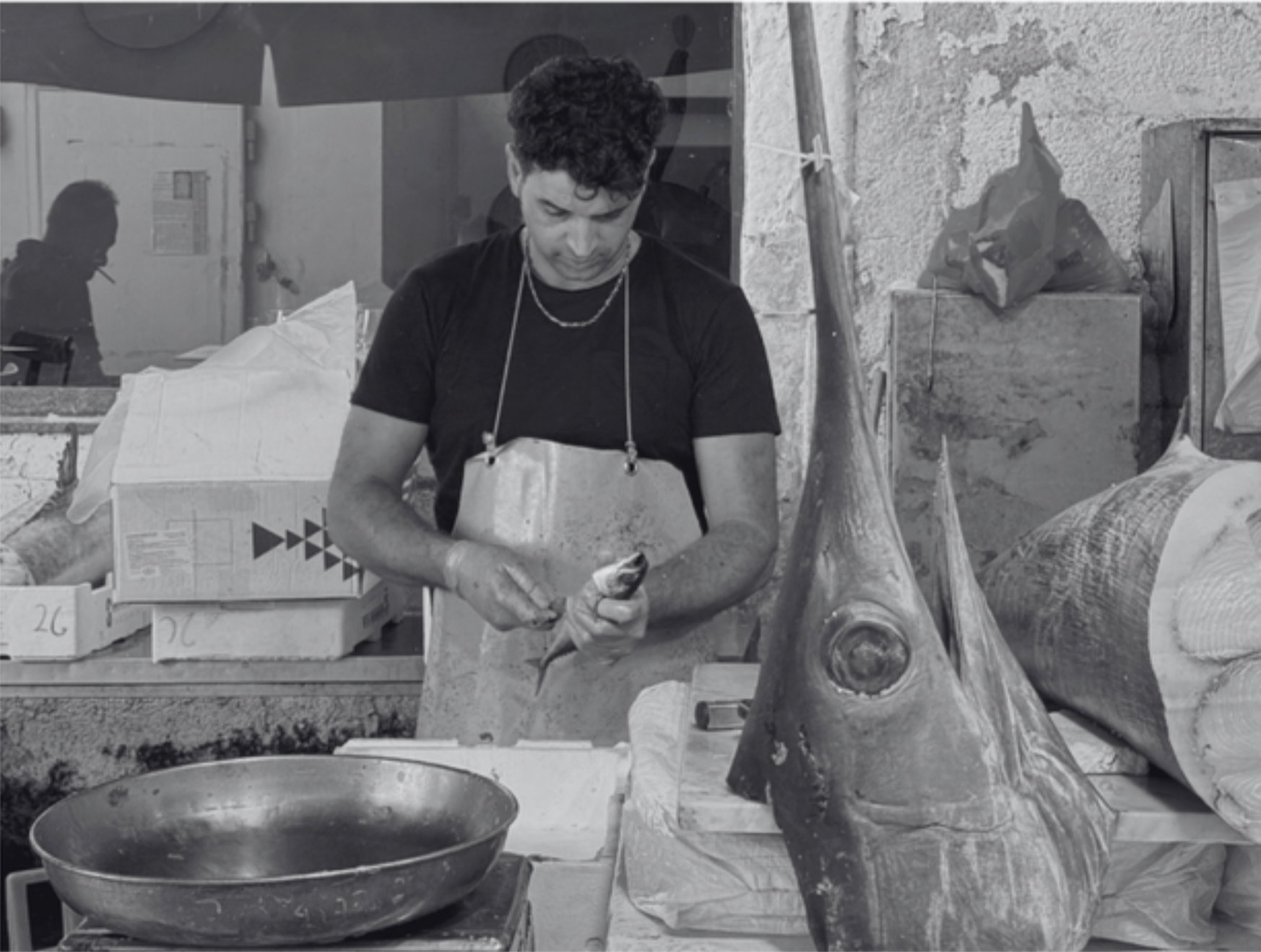
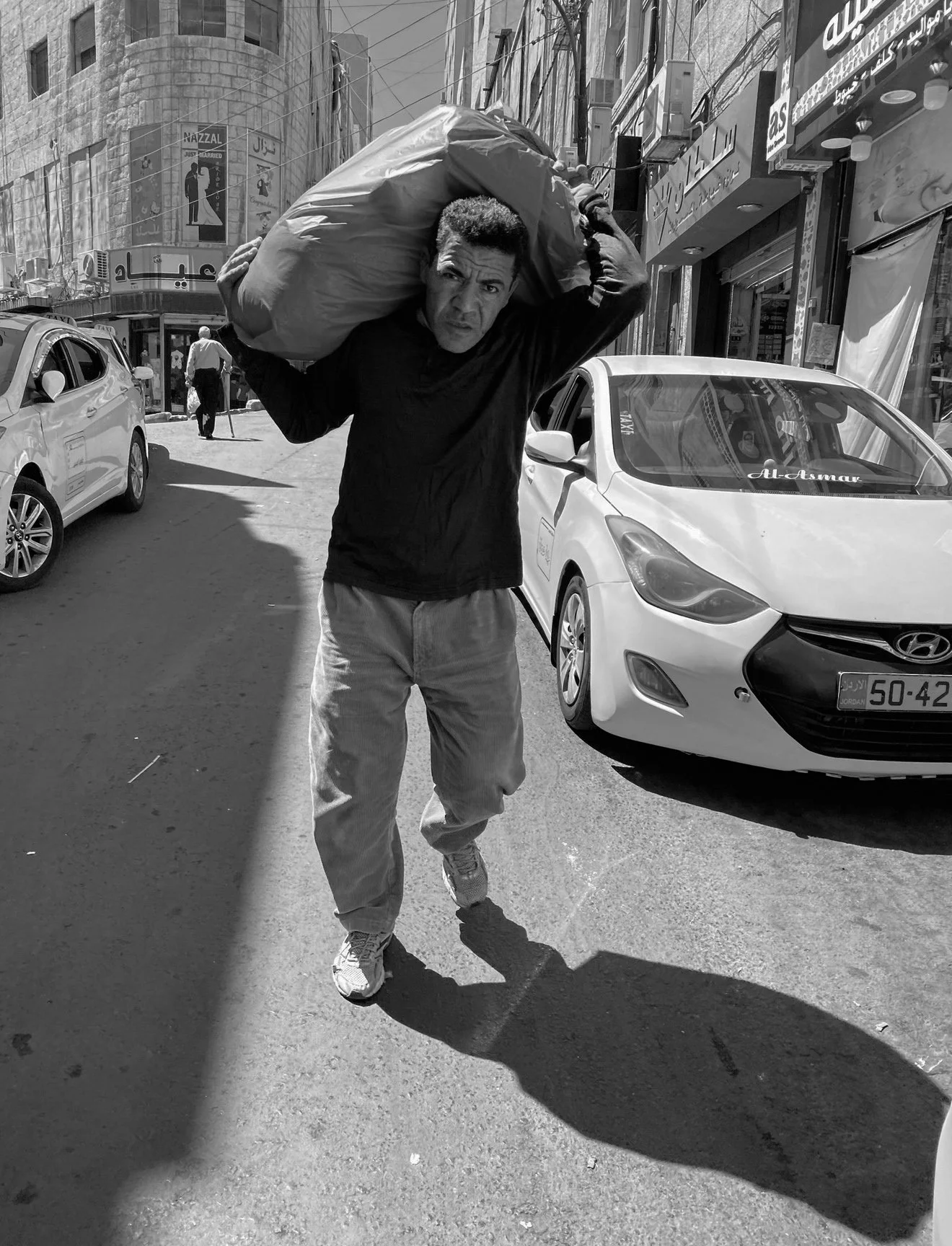
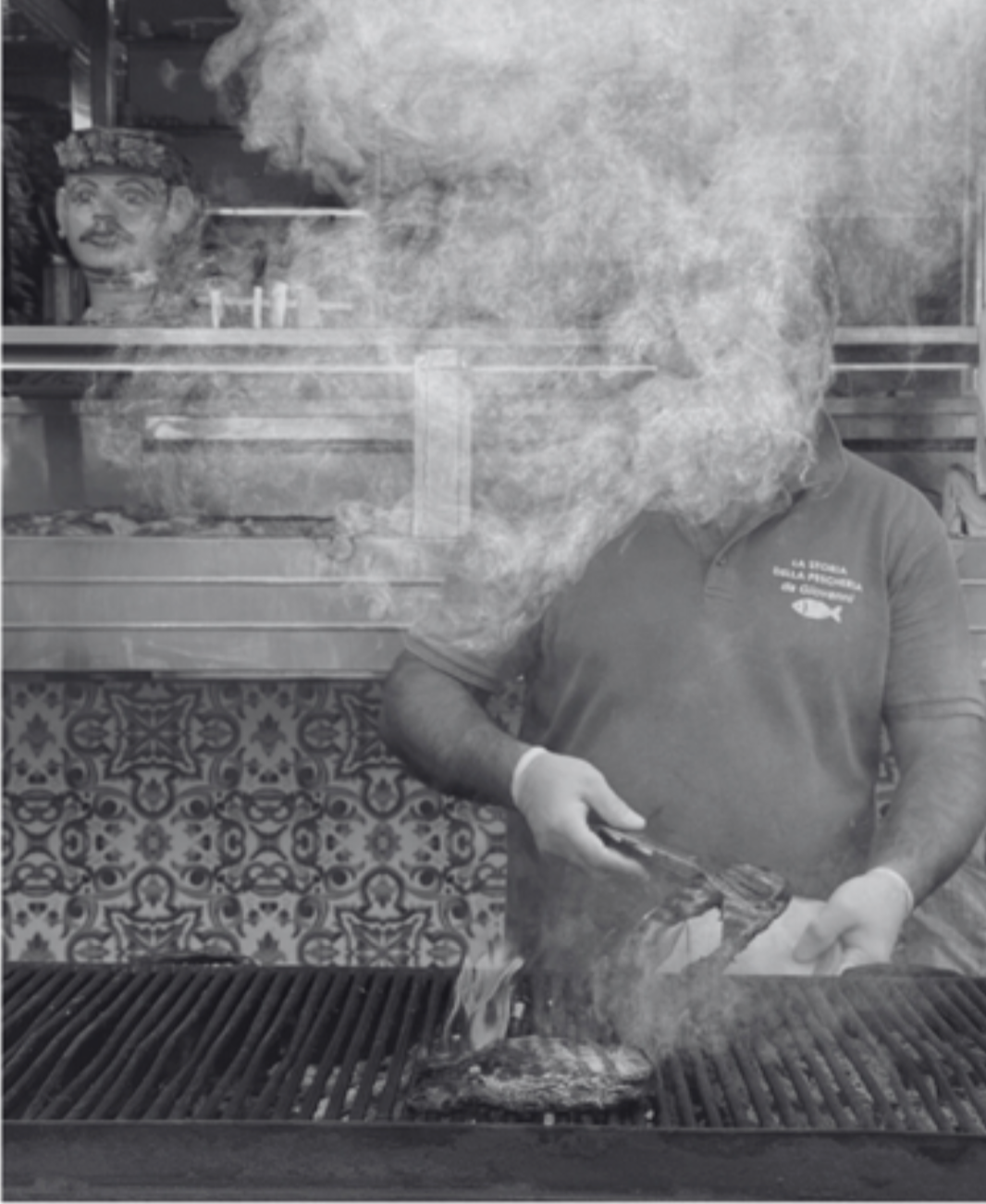
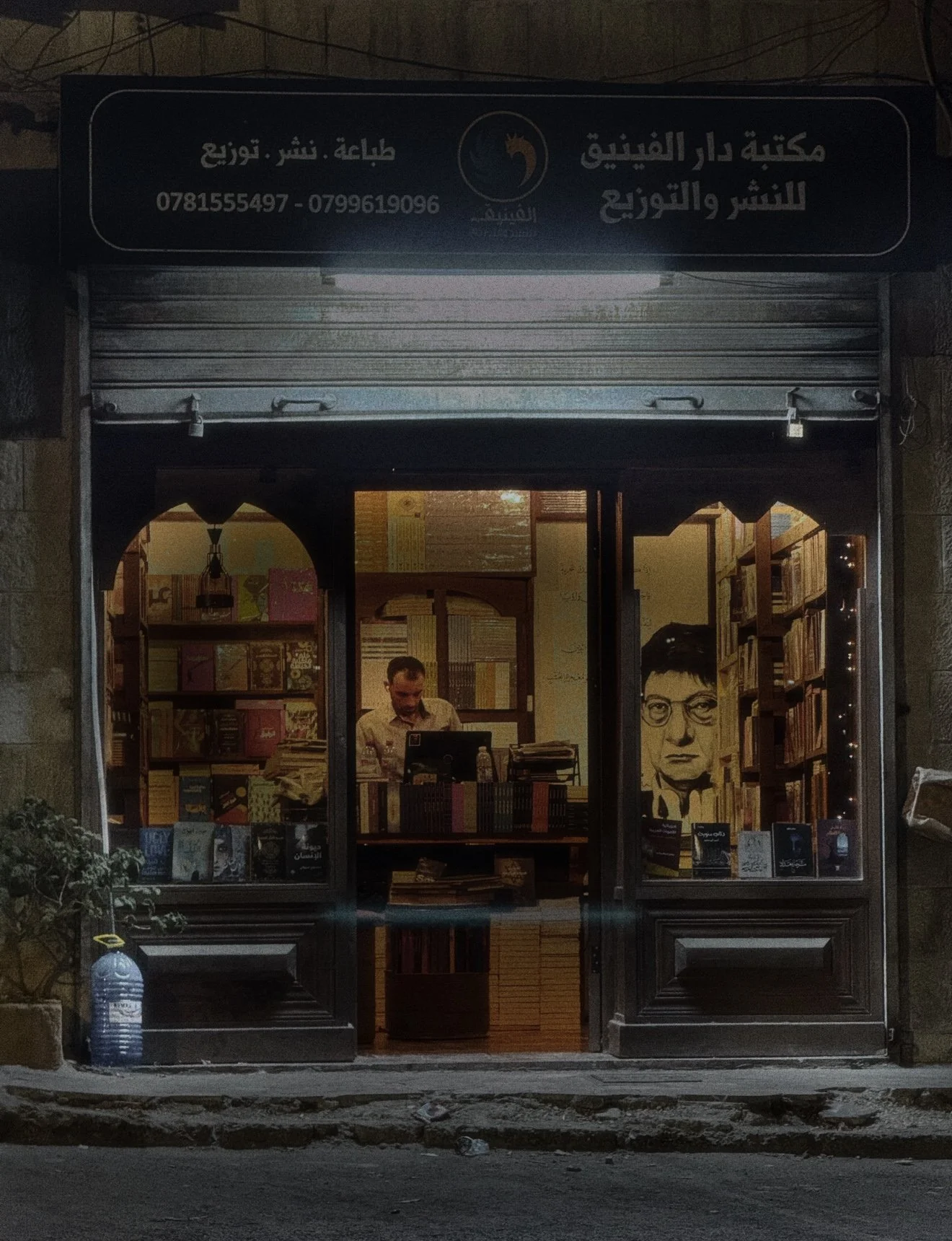
This ongoing series documents moments of pause, repetition, and performance within everyday labor across the world. Photographed in markets, streets, restaurants, homes, and small businesses,the images focus on gestures, expressions and environments that often go unnoticed within the rhythm of daily work. The series observes quieter moments suspended between action and stillness, exploring how work shapes presence, routine, and public life.